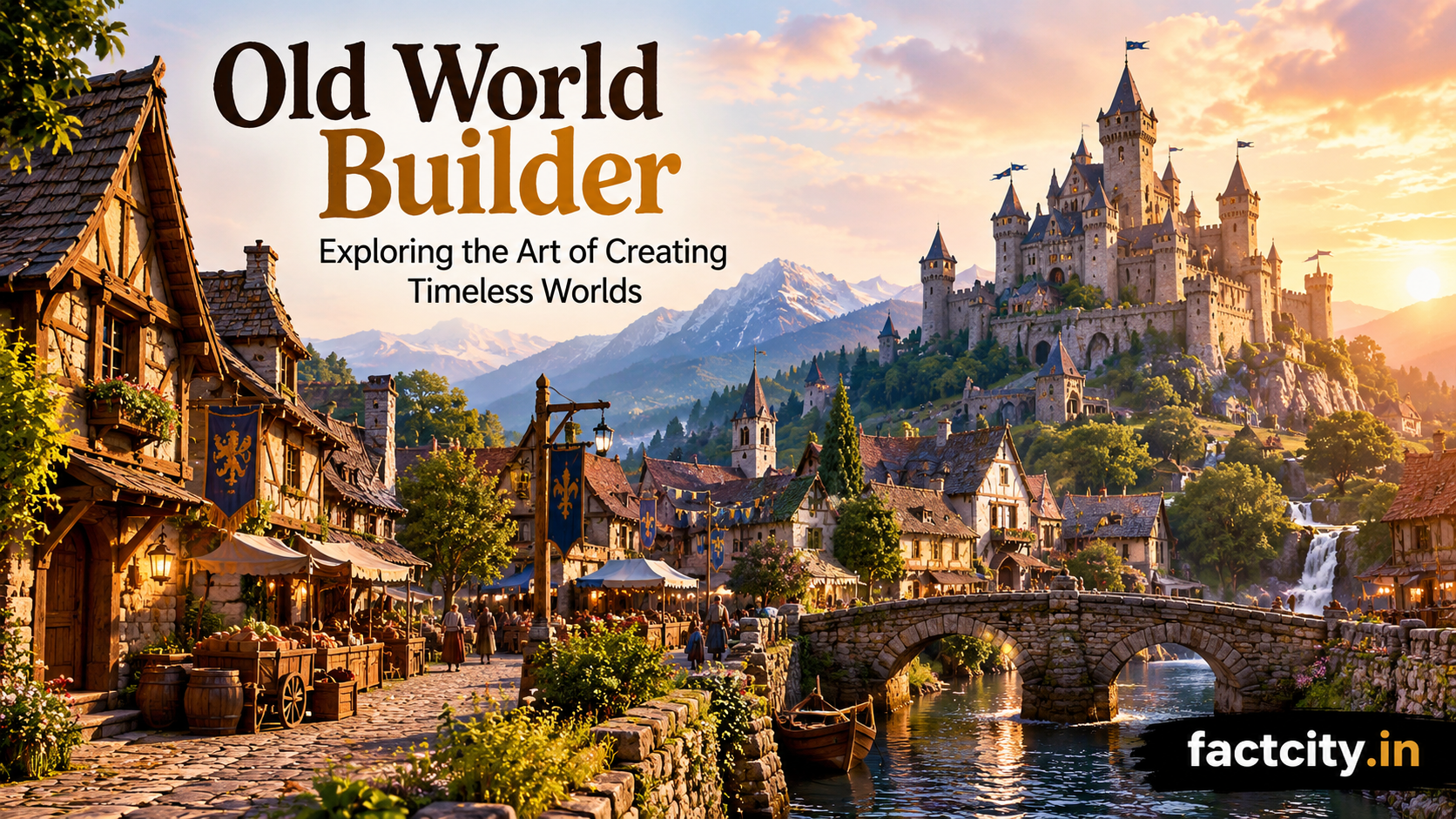
Old World Builder: The term “old world builder” conjures up images of magnificent castles, old villages, traditional homes, old streets, stone bridges, and places that seem to have stories from another time. In a world of technology, glass buildings and ever-changing trends, old-world design offers something very different. It creates spaces that are warm, detailed, historic, and timeless.
An old-world builder isn’t just someone who makes a building look old. The idea is much wider. It’s about building a place that has character, that has personality, that has craftsmanship, and that has a believable connection to the past. This idea can be used in architecture, interior design, landscaping, video games, fantasy worlds, storytelling, and digital art. Old-world design can help you create a real space or an imaginary world, and make it more meaningful and memorable.
What do you mean by old world builder?
Old world builder is a term that can be used to mean different things depending upon the situation. In architecture and construction, it may refer to a person or design philosophy that emphasises traditional building techniques, natural materials, classic architecture, and handcrafted details. In gaming and digital design, an old world builder could be a guy who creates medieval villages, historic cities, fantasy kingdoms, castles, and ancient-looking landscapes.
The whole idea in the old style of construction is to make something that looks like it has been there a long time. Designers don’t use slick, modern elements in the environment, but rather textures, materials, natural imperfections, and architectural details to add a sense of history and character.
The Charm of Old-World Style
Old-world style is highly associated with craftsmanship. Many buildings in earlier periods depended on the skills of stone masons, carpenters, blacksmiths, tile makers, plaster workers, and other craftsmen. In every part of the building, it was handmade, and you could see small differences.
That hand-made quality is part of why old buildings can be so special. There may be slight variations in the shape and colour of a stone wall. There may be traces on wooden doors from years of use. An old-world builder tries to do this by careful thought to materials, textures, proportions, colours, and small decorative details.
Old World Building with Natural Materials
One of the most prominent features of old-world design is the use of natural materials. Traditional architecture is often made from common materials such as stone, brick, timber, clay, plaster and metal. Such materials can establish a strong relationship between a building and its environment.
For example, a stone exterior can give a house a settled, enduring look, whereas exposed wooden beams can add warmth and character. Clay tiles and traditional brickwork can also create a unique historic look for buildings. What we want here is not just to make materials look old, but to use materials in a natural, believable way.
Traditional Architecture & Design
Old-world building is an old-fashioned building. Arched windows, heavy wooden doors, pitched roofs, towers, courtyards, stone walls, balconies, columns, and decorative masonry can all create a historic appearance.
The old-world builder does not necessarily need to copy one historic building. Instead, different architectural elements can be combined to create unique environments. The important thing is that the different features work together and appear to be appropriate for the same setting.
A fictional medieval village could include narrow stone streets, wooden houses, a central marketplace, a small church, and a castle overlooking the settlement. When these elements are designed in a consistent way, the whole environment can feel like a real place, rather than just a set of buildings.
Old World Builder in the Game Design
The concept of an old world builder is particularly intriguing when considering video games and virtual environments. Game creators may build complex worlds based on history, fantasy, mythology, or fictional civilisations. Players can then explore those environments and find stories in the places around them.
A game set in an old-world setting might include a medieval village with stone walls, a marketplace, farms, castles, forests, rivers, bridges, and ruins. But it takes more than attractive buildings to make an impressive environment.
The world needs to feel alive as well. A marketplace could have shops, carts, storage areas, signs, animals, and people. A castle could have defensive walls, towers, gates, courtyards, and roads leading to nearby settlements. All of these aspects contribute to a sense of a working, believable environment.
Making a Credible Old World
One of the hardest things for an old world builder to do is to make the environment believable. “Every part of the world has a reason to be there. Buildings, roads, farms, markets, water sources, and defensive structures should fit together.
Geography can influence the design, too. A village in the mountains may use more stone, because it is readily available there, while a forest settlement may depend more on timber. A coastal town might be based on fishing, trade, and access to a harbour. Thinking about such practical issues can help a fictional or historical setting seem realistic. An old world builder asks what people would actually live there, not just what a place should look like.
The Role of History
The old world design draws inspiration from history without end. The different parts of the country developed their own architectural styles because of their climate, geography, culture, available materials, trade, and traditions. This is why a medieval European village might appear very different from an ancient Asian settlement or a traditional Mediterranean town.
Studying historic architecture can help designers learn how buildings and communities developed. It can also stop environments from looking too generic. But creative projects do not always have to follow history exactly. Fantasy worlds are influenced by many different cultures and time periods and create something completely new. The important thing is to be consistent. The world is a mix of some historical influences, but they should still feel like they belong to the same fictional setting.
Interior Design Old World Style
Old-world design isn’t just for castles, villages, and exterior architecture. It can be used indoors, at home, in hotels, restaurants, offices, and other places. Wooden furniture, textured walls, stone fireplaces, traditional rugs, antique-inspired decor, warm lighting, exposed beams, and handcrafted accessories can enhance an old-world interior. These elements can create a space that feels comfortable, welcoming, and historic.
You can also combine old-world elements with modern features in modern homes. A modern kitchen might have traditional wooden cabinets, natural stone countertops, vintage lighting, or decorative details from historic architecture. This mix can create a space that is both functional and timeless.
Landscaping and Outside Spaces
Another important element of old-world design is the landscape around a building. Gardens, stone paths, courtyards, fountains, trees, walls, bridges, and water features can help to link architecture with nature. Old-world landscaping doesn’t have to look perfectly neat all the time. Outdoor spaces seem more settled when there are natural forms, a little irregularity in the walkways, mature plantings, stone walls and ageing surfaces.
Imagine walking down a narrow stone path lined with lush vegetation, only to find a small courtyard with a fountain and an antique wooden door. These details can create a sense of atmosphere and make a place feel like it has a story behind it.
Why We Like Old World Environments.
There is something inherently seductive about places that seem to be out of time. Today, life can seem quite digital, fast-paced, and quick-changing, and old-world surroundings can bring a sense of calm and connection. Spaces with historic references can be inviting, mysterious, tranquil and genuine. They invite people to take their time and examine details: the texture of stone, woodwork, patterns used for decoration, gardens, and handmade objects.
That’s why the design of the old world continues to influence architecture, interior design, hotels, restaurants, movies, fantasy books, video games and digital art. People seem to like places that seem to be a little older, rather than looking brand new.
How to be a better old world builder
If you want to build your own old world environment, the first step is to create a clear concept. Consider where your world is located and what time period or cultural influences inspire it. You can build a medieval European city, a town in antiquity, a fantasy kingdom, or a totally fictional civilisation.
Next, consider the materials and resources available in your world. Think about what materials would be mainly used by people: stone, wood, brick, clay, or something else. Then consider normal life. Where do they live? Where do they work? Where do they drink? How do they get around? Where do they make their deals? Where do people hang out?
Thinking through these questions helps you turn a visual idea into a full world.
Finally, pay attention to the little things. Doors, windows, signs, tools, carts, furniture, vegetation, walls, roads, clothing, and decorations all tell the story of the environment. And sometimes, small imperfections can make a world seem more real than shiny surfaces.
The Future of Old World Construction Technology
Modern building technology has opened up some exciting new possibilities for old-world building. 3D modelling software, game engines, digital painting, procedural generation, virtual reality and artificial intelligence are all tools that can help creators build extremely detailed environments. facts-about-mercury
Massive virtual worlds can now hold thousands of buildings, landscapes, objects, and interactive components. Designers can play with different architectural styles and build places that would be difficult or impossible to build in the real world. But technology is only a tool. Creating a believable old-world setting still requires creativity, research, planning, and attention to detail. The worlds you remember most are usually the ones where the architecture and landscape and culture and everyday life all seem to fit together.
Concluding Thoughts
The idea of an old world builder is far more than ancient-looking buildings. It’s about creating places with personality, history, integrity, mood, and a sense of identification. Whether you are designing a real home, a fantasy game, a virtual environment, planning a garden, decorating an interior, or writing a story, old world inspiration can help you create something that feels special and timeless.
The secret is to look beyond the appearance. Think about the materials, people, culture, geography, history, and everyday life that are behind the environment. When all these things come together, an old-world setting can seem almost alive.